


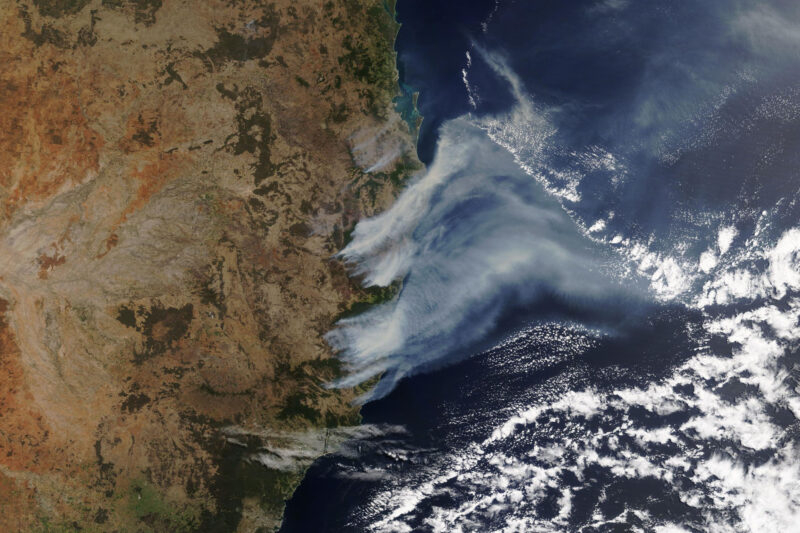
In 2024 insured catastrophe losses topped $135 billion for the fifth consecutive year—an unprecedented streak driven by megafires from Alberta to Australia, floods that submerged German industrial parks and typhoon-strength storms that formed weeks before the official Atlantic hurricane season even began. Beyond the headline numbers lie shuttered factories, ruptured supply chains and balance sheets stretched by higher deductibles and shrinking capacity in the commercial insurance market.
As climate-related events grow more frequent and severe, businesses worldwide face a widening protection gap. Traditional carriers, wary of volatile results, are tightening terms, raising premiums and adding exclusions for perils like wildfire smoke or urban flash floods. In this hard insurance market, many organizations are turning to captive insurance—wholly owned insurance companies formed by their parent organizations—as an alternative risk transfer strategy that restores control and stability.
A well-structured captive insurance company allows you to:
- Retain and finance predictable layers of loss while accessing reinsurance for peak exposures
- Tailor coverage to niche risks—such as parametric wildfire or flood triggers—that commercial policies often exclude
- Stabilize total cost of risk by smoothing market cycles and capturing underwriting profits
In the pages that follow you’ll discover how captives, supported by Sigma7’s risk engineering and business interruption modeling expertise, can:
- Identify site-specific vulnerabilities before disaster strikes
- Quantify potential downtime and financial impact with cutting-edge BI models
- Document values and losses to maximize post-event recovery
We’ll close with best practices for pre-event valuations and claims documentation—critical steps that turn a captive from a funding vehicle into a genuine engine of resilience.
Understanding the Role of Captives in Climate Risk Management
A captive insurance company is a licensed insurer owned and controlled by the organization it protects. By stepping into the shoes of a traditional carrier, a single parent captive—or a more complex group captive—lets you finance risks the commercial market prices inefficiently or ignores altogether. For climate-driven exposures, that distinction is crucial because wildfire smoke sub-limits, flood deductibles equal to 5 percent of total asset values, and hurricane wind exclusions can leave even sophisticated financial institutions and life sciences leaders dangerously underinsured.
Captives excel in three areas that matter most when the skies darken:
- Control over underwriting and policy wording means you decide which perils to cover, how to define an occurrence and which loss-control requirements to impose on operating units
- Cost stabilization over multiple renewal cycles captures underwriting profit inside the captive and smooths total cost of risk even in a hard insurance market
- Tailored coverage structures—such as multiline, multi-year layers paired with alternative risk transfer techniques—let you match retention levels to your risk appetite and capital strength
The result is a flexible vehicle that can assume lower, predictable layers of climate risk while ceding volatility to reinsurers or capital markets. As insured catastrophe losses hover around $145 billion annually, parent captives are expanding their mandates to include property damage, supply-chain disruption, and non-damage business interruption triggered by wildfires or riverine floods. Sigma7 supports these captives with data-rich analytics that inform risk appetite and optimize reinsurance purchases, setting the stage for the risk engineering discussion that follows.
Filling Gaps Left by Traditional Insurance
When commercial carriers retreat from high-risk geographies or impose sweeping exclusions, the protection gap widens. Captives keep coverage intact by:
- Financing first-dollar or deductible layers that private insurers refuse to write
- Pooling global premiums to diversify exposures across regions and operating units
- Accessing reinsurance and insurance-linked securities at institutional rates, often on more favorable terms than a stand-alone corporate buyer could secure
By leveraging Sigma7’s alternative risk transfer insights, captives can structure excess layers with parametric or industry-loss warranties, freeing capital for core operations while maintaining balance-sheet resilience.
Customizing Coverage for Natural Catastrophes
Standard property forms seldom reflect the nuances of a five-day wildfire that knocks out power but spares physical assets, or a flash flood that disrupts logistics without breaching facility walls. Captives bridge that gap by designing endorsements and parametric triggers keyed to measurable event parameters—wind speed, fire perimeter or river gauge height—that unlock rapid payouts. Benefits include:
- Immediate liquidity to fund clean-up, temporary relocation and accelerated rebuilds
- Reduced claims friction because payout size is pre-agreed and data-driven
- Enhanced transparency for stakeholders and regulators tracking ESG and resilience metrics
With Sigma7’s catastrophe modelling captives calibrate these triggers precisely, ensuring payouts align with actual financial impact rather than abstract industry averages.
A robust captive program, however, is only as effective as the underlying risk data. The next section explores how risk engineering pinpoints site-specific vulnerabilities and converts climate analytics into actionable safeguards.
Leveraging Risk Engineering to Mitigate Climate Risks
For a captive insurance company to shoulder climate-driven property and business interruption risk, it first needs a clear, data-rich view of where, how and why losses could occur. That is the domain of risk engineering—an evidence-based discipline that identifies vulnerabilities long before a wildfire, flood or windstorm turns them into losses. By quantifying hazards and prescribing practical safeguards, risk engineering reduces loss frequency and severity, stabilizes captive results and strengthens overall risk control.
Sigma7 approaches risk engineering as both a science and a partnership. Its 200-plus engineers combine global expertise with local insight, conducting on-site evaluations that feed directly into customized risk management programs. These programs align with each parent captive’s appetite for retention and alternative risk transfer, ensuring capital is deployed where it achieves the greatest resilience dividend.
A Science-Based and Holistic Approach to Climate Risk
At Sigma7 Paragon, we anchor our climate risk assessments in the latest peer-reviewed scientific research, combining globally recognized climate models with site-specific engineering insights. Our methodology extends beyond hazard mapping to incorporate hydrological studies, infrastructure resilience, and the operational realities of each facility. This integrated and evidence-based approach is increasingly recognized by risk management leaders, including the French association AMRAE, who view our work as a benchmark for aligning engineering practice with climate adaptation strategy. By bridging the gap between global climate data and local vulnerability, we help clients develop actionable resilience plans rooted in both science and operational feasibility.
Site-Specific Assessments for Natural Catastrophes
A standard hazard map may place two manufacturing plants in the same flood zone, yet local drainage, building elevation and utility redundancy can produce very different risk profiles. Sigma7’s site-specific assessments uncover those nuances by:
- Evaluating construction, occupancy, fire protection and exposure data for each facility
- Stress-testing critical utilities, back-up power and water supplies against multi-hazard scenarios
- Reviewing fire protection systems—including suppression, detection and water supply—for adequacy in high-heat wildfire environments
- Modeling flood depths and velocities to recommend elevation retrofits, flood-proof barriers or relocation of high-value equipment
These granular insights inform the captive model’s retention levels and dictate where parametric covers or excess reinsurance layers are most cost-effective.
Preparing for Natural Catastrophe Claims
Proper preparation starts long before the storm clouds gather. Leading organizations:
- Capture production data, supplier lead times and payroll structures to model losses from halted operations, delayed shipments and employee displacement
- Store photographs, CAD files and maintenance logs in secure cloud repositories, creating an irrefutable pre-loss baseline
- Schedule regular walkthroughs with Sigma7 engineers to verify that mitigation upgrades—fire-resistant roofing, flood barriers, redundant utilities—are installed and documented
When an event does occur, Sigma7’s comprehensive loss assessment services swing into action. Their experts quantify not only property damage but also lost margin, extra expense and downstream customer penalties, ensuring the parent captive recovers every eligible dollar.
Enhancing Resilience with Business Interruption Modeling
When a wildfire knocks out a regional power grid or a swollen river blocks deliveries for days, the damage to your balance sheet often stems less from broken bricks than from stalled revenue. Business interruption (BI) modelling captures that hidden exposure by translating downtime into dollars. For a captive insurance company, those numbers become the basis for deciding how much risk to retain, how much to cede, and how to structure parametric or traditional excess layers.
Sigma7’s forensic accounting specialists treat BI modelling as an ongoing discipline rather than a one-off exercise. Annual BI value studies, exposure analyses, and schedule-of-values allocations keep figures current with changes in production volumes, supplier footprints and market dynamics. The result is a living dataset that informs captive underwriting, supports loss control investments and strengthens negotiations with reinsurers.
The payoff is significant. Organizations that embed robust BI modeling into their captive programs typically achieve:
- Optimized coverage limits that reflect true earnings at risk
- Improved policy terms—such as extended period of indemnity or customized waiting periods—aligned with operational realities
- Competitive premium pricing because values are transparent, defensible and grounded in data
Together, these benefits turn a captive from a cost center into a strategic asset capable of weathering climate volatility.
Contingent Business Interruption and Supply Chain Analysis
A factory can be fully operational yet idle if its critical supplier is underwater or its primary customer is evacuated. That’s why Sigma7 layers contingent business interruption (CBI) and supply chain risk analysis onto core BI studies. By mapping dependencies across tiers, modeling alternate routing scenarios and stress-testing inventory buffers, Sigma7 helps captives quantify shockwaves that ripple beyond the four walls of a facility.
Manufacturing, logistics and energy companies have used these insights to:
- Identify single-source bottlenecks and negotiate redundant supply contracts
- Set parametric triggers tied to port closures or rail disruptions, unlocking fast cash when logistics grind to a halt
- Allocate captive capital toward stock throughput or delay-in-start-up covers that traditional insurers seldom tailor
In each case, the captive’s role expands from insuring fixed assets to safeguarding the broader value chain.
Optimizing Coverage and Policy Terms
Armed with precise BI models, risk managers walk into renewal meetings with hard numbers rather than rough estimates. This data advantage enables them to:
- Right-size time-element limits for business interruption, ingress/egress, civil authority and service interruption coverages
- Secure broader definitions of “loss period” or “dependent property” that better match the organization’s recovery timeline
- Negotiate deductibles expressed in days or hours instead of percentages of annual gross earnings
Sigma7’s independent valuations lend third-party credibility to those negotiations. Underwriters see clear documentation, reinsurers recognize disciplined governance, and finance teams gain confidence that retained earnings can absorb modeled volatility without jeopardizing strategic initiatives.
With financial exposure quantified and coverage optimized, the focus shifts to ensuring every dollar of protection translates into recovery when disaster strikes. The next section drills into best practices for pre-event valuations and post-event claims documentation—essentials for converting a well-designed captive program into real-world resilience.
Best Practices for Pre-Event Valuations and Post-Event Claims Documentation
Even the most sophisticated captive insurance program can falter if values are outdated or losses are poorly documented. Accurate, well-organized data is the grease that lets claims machinery run smoothly—especially when multiple facilities, currencies and policies come into play after a natural catastrophe. By adopting a disciplined approach before disaster strikes, you shorten recovery timelines, safeguard cash flow and demonstrate to reinsurers and auditors that your captive operates with best-in-class governance.
Sigma7’s forensic accounting team anchors this process with independent valuations, detailed exposure schedules and step-by-step claims playbooks that stand up to scrutiny from adjusters and financial institutions alike. Their guidance centers on three pillars:
- Maintain live records of assets, supply-chain dependencies and policy terms, updated at least annually
- Quantify time-element exposures—gross earnings, extra expense, contingent business interruption—so the captive’s limits match real risk
- Establish a post-event protocol that assigns roles, timelines and documentation standards well before the first adjuster arrives
Streamlining Claims Processes
Speed matters. The longer a claim languishes, the longer cash is tied up and boardroom confidence erodes. Sigma7 accelerates the path from notice to payment through:
- Independent loss quantification that pre-empts carrier disputes over valuation methods
- Streamlined risk valuation templates that align accounting records with policy wording, reducing back-and-forth with adjusters
- Real-time expense tracking dashboards that consolidate invoices, purchase orders and employee overtime into a single auditable trail
Prompt notification, complete documentation and consistent communication transform a hard-fought claims battle into a collaborative process—one that frees captive capital for the next round of loss control investments.
With robust valuations in hand and claims protocols rehearsed, your organization is poised not only to withstand climate shocks but to emerge stronger. The final section ties these threads together and outlines how Sigma7 can guide you on the journey from risk awareness to operational resilience.
Building Resilience Through Captives and Expert Support
Climate change is rewriting the risk landscape, but it doesn’t have to dictate your organization’s future. A captive insurance company—backed by rigorous risk engineering and data-driven business interruption modeling—offers a proven path to resilience. By pinpointing vulnerabilities, quantifying potential downtime and structuring tailored coverage, you can close protection gaps left by the commercial market and stabilize your total cost of risk.
Equally important are disciplined pre-event valuations and meticulous post-event claims documentation. These practices transform modeled preparedness into real-world recovery, ensuring that every insured dollar flows swiftly when you need it most.
Sigma7 stands ready to help at every stage, from site-specific hazard assessments and AI-enhanced risk dashboards to independent BI valuations and end-to-end claims advocacy. Our integrated team of engineers, forensic accountants and risk strategists brings global expertise and local insight to your captive program—delivering measurable outcomes that safeguard operations, reputation and earnings.
Ready to strengthen your resilience against wildfires, floods and the next wave of climate-driven challenges? Contact Sigma7 today for a consultation on risk engineering and business interruption modeling services.
Contact us today to see how we can help you be better prepared!


