


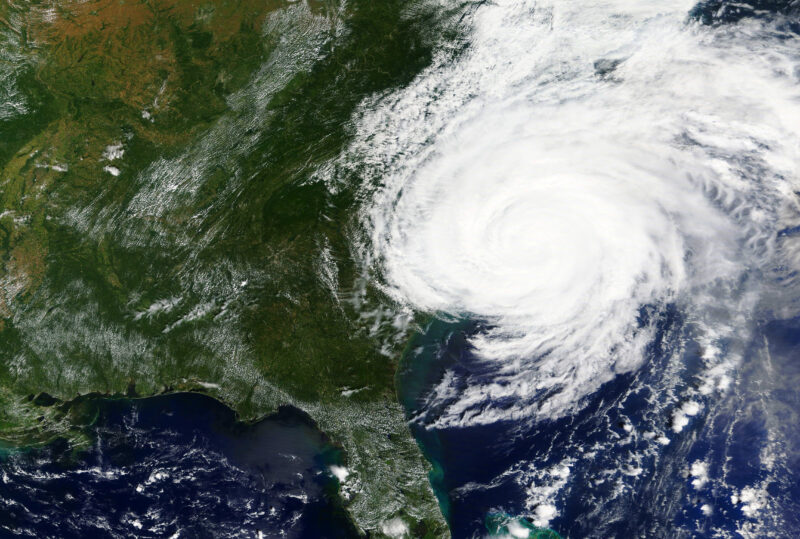
In September 2023, a single day of torrential rain from the remnants of Tropical Storm Ophelia shut down portions of I-95 nearly 200 miles inland from the US’s east coast and forced businesses across the Mid-Atlantic to halt operations. Events like this are no longer outliers, they’re signals that the reach of hurricanes / typhoons is stretching well beyond coastal communities.
Warmer oceans feed more energy into forming storms, and warmer air holds more moisture. The result is a new generation of hurricanes that maintain strength farther inland, unleash record-breaking rainfall and trigger cascading impacts to supply chains, critical infrastructure and day-to-day business continuity. For organizations that once considered themselves “too far inland” to worry about tropical systems, this shift means hurricane risk has become a board-level concern—one that demands the same rigor traditionally reserved for coastal facilities.
Understanding the Changing Dynamics of the Atlantic Hurricane Season
Climate change is rewriting the rulebook for hurricanes. Rising sea surface temperatures supercharge storm development, while higher atmospheric moisture content intensifies rainfall totals. Combined with shifting wind shear patterns, these factors translate into far stronger systems that can sustain hurricane-force conditions long after landfall. For organizations at the coast and further inland, this means longer exposure windows, broader geographic footprints of damage and mounting challenges to continuity planning.
Recent storm seasons illustrate how far inland these hazards now reach.
- Hurricane Ike (2008) delivered gale-force winds and flooding rains as far north as Chicago, knocking out power to more than three million customers across the Midwest.
- Hurricane Harvey (2017) stalled over southeast Texas, dropping up to 60 inches of rain and causing supply chain disruptions that rippled through manufacturing hubs hundreds of miles away.
- Hurricane Helene (2024) followed a path through the southern Appalachians, inundating mountain towns and crippling regional logistics corridors.
- Tropical Storm Barry (2025) remnants caused the tragic flooding of the Guadalupe river in Texas, US.
Such events belittle assumptions that distance from the coastline equals safety. Facilities in “low-risk” zones can face prolonged outages when feeder roads flood, upstream suppliers halt production or regional utilities struggle to restore service. Cyber risks also escalate as data centers contend with surge-related outages and emergency power loads. In short, inland organizations must now weigh hurricane threats alongside more familiar perils like winter and severe convective storms or seismic events.
Key Meteorological Drivers Behind Stronger Storms
Warmer ocean temperatures: Sea surface anomalies in the Atlantic frequently exceed historical averages by 1–2 °C, adding latent heat that fuels rapid intensification. A single degree of warming can raise a storm’s potential wind speed by several knots and expand its wind field, broadening the area exposed to damaging gusts.
Atmospheric water vapor: Warmer air holds more moisture—about 7 percent more per 1 °C increase—so today’s hurricanes act like massive conveyor belts of tropical humidity. When these systems stall, condense when they encounter inland terrain or interact with mid-latitude fronts, they unleash extreme rainfall totals that overwhelm drainage systems well inland.
El Niño/La Niña cycles: The recent shift from El Niño toward neutral conditions, with a likely La Niña phase by late 2025, relaxes wind shear over the main development region. Lower shear lets storms organize faster and track farther west, increasing landfall odds along the Gulf and Atlantic coasts and raising the probability that remnants will penetrate deep into the interior.
These physical drivers underscore a key point for risk managers: the parameters shaping hurricane losses are changing faster than traditional models assume. Building standards, emergency protocols and financial risk tolerances must evolve accordingly, which sets the stage for a deeper look at organizational vulnerabilities and resilience strategies.
Assessing and Addressing Organizational Vulnerabilities
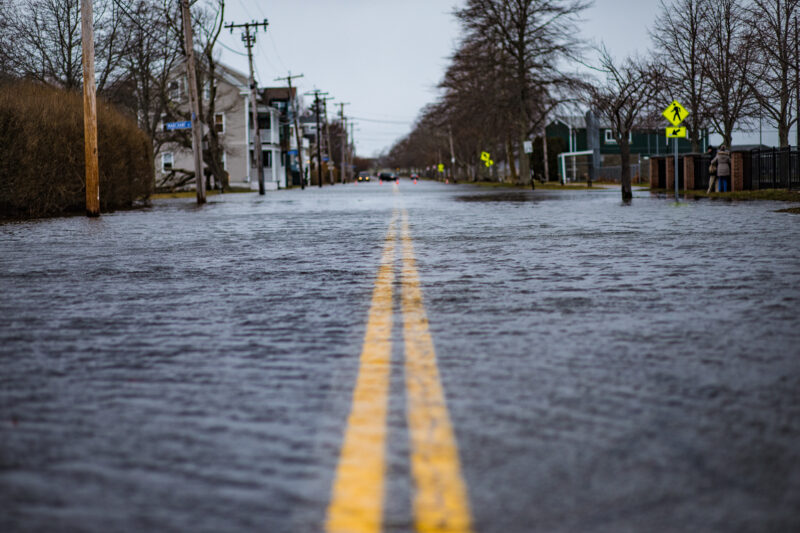
Hurricanes expose organizations to a multidimensional web of risks that can cascade from the physical plant to supply chains, market loss and reputational harm. Buildings and critical equipment face wind-borne debris, uplift forces and prolonged saturation that accelerates structural fatigue. Underground utilities may back-flow or collapse when floodwaters exceed design thresholds, while rooftop systems—from HVAC units to solar arrays—can become dangerous projectiles if anchors fail.
Beyond the construction envelope, operational continuity depends on roads, bridges and rail lines that can buckle under washouts, cutting off raw materials and delaying finished goods. Workforce availability becomes uncertain when evacuation orders, childcare disruptions or impassable commutes keep employees at home, forcing managers to scramble for coverage or suspend production. Financially, even a short outage can trigger cost increases, revenue losses, inventory spoilage and contractual penalties that eclipse insured structural damage, particularly if policy conditions limit business interruption payouts or exclude supply-chain exposures. In this environment, understanding where vulnerabilities converge—and how quickly they can compound—is the first step toward meaningful resilience.
Traditional, early-warning preparations no longer keep pace with storms that intensify in less than 24 hours or veer inland along unpredictable tracks. When warning time shrinks, there is little opportunity to clear drainage systems, stage backup generators, plan orderly shutdowns or harden IT infrastructure. Likewise, ad-hoc response teams struggle to coordinate under pressure without predefined roles, communications protocols and decision thresholds or the muscle-memory of exercising what plans you do have. Organizations that rely on weekend roof checks or manual sandbagging find themselves reacting to problems rather than preventing them.
Modern resilience demands proactive investment in engineered solutions, data-driven decision frameworks and cross-functional drills that treat hurricanes as enterprise-wide threats instead of isolated weather incidents.
Best Practices for Storm Preparation and Resilience
The following actions create a layered defense that addresses both physical hazards and organizational continuity:
- Conduct annual roof and facade inspections, repairing loose flashing, compromised membranes and corroded fasteners before peak storm season
- Elevate critical equipment, fuel supplies and data-center components above worst-case flood levels if you can, using platforms or relocations to secure vulnerable assets
- Validate that exterior doors, windows and louvers meet updated wind-pressure ratings and install impact-resistant glazing or shutters where thresholds fall short
- Expand drainage capacity by clearing gutters, installing backflow preventers and grading landscapes to direct water away from foundations and loading docks
- Update emergency power plans with right-sized generators, redundant fuel contracts and automatic transfer switches that ensure seamless switchover during grid failure
- Review supplier and logistical dependencies and map alternate sourcing and distribution routes to mitigate disruptions from tunnel, bridge, port, air traffic or roadway closures.
- Establish trigger-based escalation protocols that align storm forecasts with phased actions—such as remote work activation, inventory repositioning and safe operational shutdowns
- Run scenario-based tabletop exercises that involve operations, facilities, IT, finance, sales, procurement and HR so teams understand decision authority and communication channels under pressure
- Align insurance coverage with current asset values, especially considering recent global inflationary pressures, while also factoring in potential extended downtimes and contingent business-interruption exposures
- Document post-event inspection checklists ahead of time to expedite damage assessments, evidence collection and claims filing once conditions are safe
Adopting these measures reinforces the notion that resilience is not a single fix but an ongoing, organization-wide commitment.
Leveraging Integrated Solutions for Hurricane Risk Management
Even the most comprehensive preparation checklist falls short without real-time intelligence, cross-functional coordination and post-event financial clarity. Integrated risk management platforms knit these capabilities together, turning fragmented efforts into a cohesive resilience program. By unifying asset visibility, threat monitoring, scenario planning and recovery analytics, organizations gain a live picture of rapidly-evolving hazards and a structured playbook for response. This holistic approach streamlines decision-making during fast-moving crises, ensures resources are deployed where they matter most and accelerates the journey from disruption to full operational recovery.
How Our Suite of Services at Sigma7 Supports Resilience
Here at Sigma7, we deliver an end-to-end framework that maps directly to the hurricane risk lifecycle:
- Paragon: Our engineers conduct granular facility assessments that benchmark each building against the latest wind-load, flood and hail standards. The resulting digital twin highlights structural weak points, quantifies upgrade costs and prioritizes projects that yield the highest resilience ROI.
- RSM Resilience Team: Our specialists translate technical findings into executable continuity plans. They facilitate drills, define decision thresholds and integrate emergency communications so leadership teams act in lockstep when storm alerts escalate.
- Threat Intelligence Platform: Leveraging geospatial analytics, our platform overlays live meteorological feeds onto asset maps and supply-chain nodes. Customizable triggers push alerts when wind fields, rainfall rates or flood forecasts breach predefined tolerances, giving operations leaders precious lead time to secure sites or reroute shipments.
- RWH Myers: Our forensic accountants can study and model your P&L risks to identify gaps in expectations, to understand the benefit of protection & mitigation investments, and to demonstrate the realistic BI risk(s) to your insurance partners. When losses do occur, we quantify all earnings at risk, document extra expenses and assemble the thoroughly detailed and documented package insurers require. This clarity speeds initial advance payments, addresses risks to claim settlement, and frees up capital for repairs, payroll and customer commitments.
Together, these capabilities create a feedback loop: engineering insights guide preparedness investments, live intelligence informs real-time decisions, pre-event analytics refine protection & mitigation strategies and post-event claim preparation helps maximize the financial recovery. Organizations move from reactive storm response to a proactive, data-driven posture that preserves safety, reputation and financial performance.
Building Organizational Resilience in a New Era of Hurricane Risk
Hurricanes & typhoons are no longer coastal problems; they are enterprise-wide disruptors that can upend operations, from the Gulf Coast to the Great Lakes of the US for example. Organizations that acknowledge this shift—and act on it—gain more than protection against wind and water. They secure uninterrupted production and service schedules, preserve brand reputation and earn stakeholder confidence by demonstrating that resilience is not an afterthought but a strategic imperative woven into everyday decision-making.
Proactive, integrated programs pay dividends long before the first rainband arrives. Data-driven building upgrades can lower maintenance costs, real-time intelligence eliminates guesswork during crisis hours and well-rehearsed recovery plans shorten the path back to full capacity. Add forensic BI quantification that improves understanding before a loss and accelerates insurance settlement after a loss, and the business case for comprehensive hurricane readiness becomes unequivocal: safeguarding people and assets today fuels competitive advantage tomorrow.
If you’re ready to translate awareness into action, connect with our team at Sigma7. Our engineers, resilience strategists, threat analysts and forensic accountants stand ready to assess your storm exposure, prioritize investments and build a risk management plan that keeps your organization moving—no matter how far inland the next hurricane tracks.


