


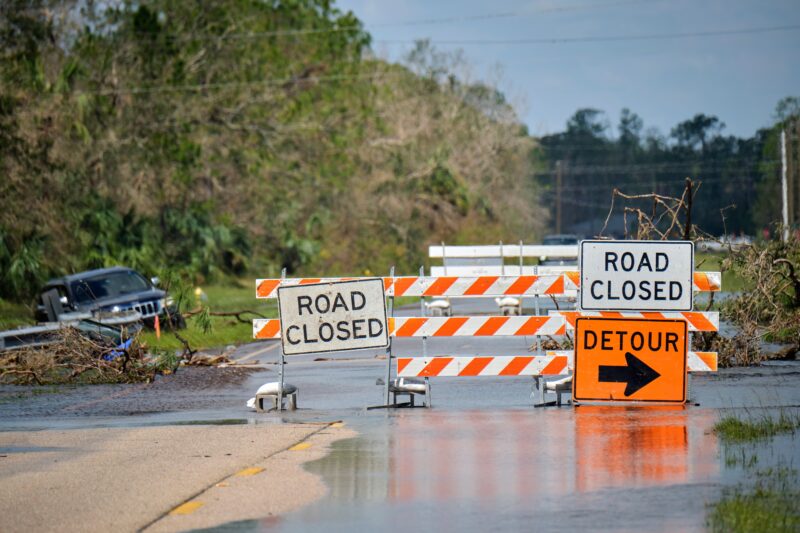
 When a hurricane tears off a roof or a wildfire chokes distribution routes, the damage extends far beyond bricks and mortar. According to Swiss Re’s sigma research, in 2023 alone 37 thunderstorm events each generated more than $1 billion in insured losses, pushing convective-storm losses to roughly $70 billion and proving that so-called secondary perils now sit at the center of enterprise risk.
Those headline figures only hint at the real pain point: cash flow. While revenue evaporates, payroll clocks keep ticking and suppliers still expect payment. Whether your company operates in North America, Europe, Asia or APAC, the question is not if the next disaster will strike but whether your insurance will release funds quickly enough to keep operations alive in every region.
According to Swiss Re’s sigma catastrophe data, insured catastrophe losses have topped 135 billion dollars for five consecutive years, prompting carriers to tighten terms, raise deductibles and introduce new exclusions. That hardening market widens the gap between perceived protection and actual payout.
Understanding Why the Coverage Gap Keeps Catching Businesses Off Guard
The business interruption (BI) coverage gap is the distance between the cash you expect after a disruption and the amount your policy ultimately releases once every exclusion, sublimit and deductible has been applied. As catastrophe losses grow and insurers respond with stricter wording and higher retentions, underinsuring can become fatal the moment revenue stops flowing yet lenders, landlords and employees still need to be paid.
How Natural Disasters Turn a Property Loss Into a Cash Flow Crisis
Storms, floods and wildfires rarely damage just one line on your balance sheet. Beyond smashed walls or ruined inventory, they trigger cascading costs: prolonged shutdowns, emergency logistics, overtime payroll, contractual penalties and supplier delays. Profits evaporate while expenses keep accumulating, eroding working capital just when it is most needed.
Chubb warns that “over 50% of claim dollars paid for flood-related losses come from properties located outside a designated high-risk flood zone,” and its insurer guidance explains that typical commercial property policies do not insure the peril of flood. Companies that dismiss flood as a remote threat may learn too late that water damage sits outside their policy, turning an operational crisis into an existential liquidity crunch.
How Policy Structure Creates Gaps Before a Claim Is Even Filed
Low BI limits, narrow sublimit for extra expense, 72-hour waiting periods, civil-authority time caps and missing endorsements all chip away at protection long before the storm clouds form. Many of these weaknesses hide in worksheets and policy schedules that feel routine during renewal yet become painfully precise when revenue is on the line.
USI Insurance Services observes that business-income worksheets can be confusing, and incomplete forms have left companies underinsured by more than 1 million dollars, setting the stage for settlement disputes. One manufacturer that updated its worksheet mid-term increased limits just in time and, as USI recounts, “avoided a $270,000 shortfall in coverage” after a fire shut its plant for seven months.
With structural pitfalls exposed, the next challenge is steering your claim through the insurer’s review without stalling or derailing your recovery.
Examining Why Business Interruption Claims Get Denied After Disasters
Denied claims seldom hinge on a single misstep. More often they reflect a chain of smaller disconnects between what you assume is covered and what the policy obliges you to prove. Kiplinger explains that insurance bad-faith tactics can include slow responses, unreasonable proof demands and pressure to accept low settlements, adding friction precisely when cash flow is fragile.
When the Policy Trigger Does Not Work the Way You Expect
The American Camp Association states that “the insurance benefits become available only after 1) there is direct damage to or destruction of camp property from a covered cause of loss; 2) a waiting period of usually seventy-two hours; 3) a necessary slowdown, or suspension of operations; and 4) an actual loss of income.” These prerequisites can delay relief during the most critical early days of recovery.
Civil-authority shutdowns sharpen the point. Coverage for forced closures often stops after three weeks even though evacuations, wildfire smoke or blocked infrastructure can keep customers and employees away much longer. Smoke infiltration, utility outages or a supplier’s flood can likewise paralyze operations without meeting the direct-damage threshold many BI forms require.
When Claim Preparation Weakens Your Position
To keep your submission on solid ground, watch for these common denial triggers:
- Late notice that violates prompt-reporting clauses
- Disorganized or incomplete damage documentation
- Losses tied to excluded perils or locations
- Financial schedules that misstate revenues or expenses
- Failure to protect property and mitigate further harm
USI notes that poorly completed BI worksheets often undervalue limits, prolong audits and invite deep cuts to settlements. Knowing these traps helps you avoid them; the next step is verifying whether your current coverage even attempts to absorb today’s multifaceted losses.
Identifying the Losses Standard Coverage Often Leaves Behind
The property damage may be dramatic, but for many organizations the biggest expense is the uncovered financial fallout that follows. For B2B enterprises relying on supplier continuity, contractual obligations, and cross-border logistics, uncovered losses can quickly erode customer confidence. In many cases, confidence declines faster than physical recovery efforts progress.
What Standard Business Interruption Coverage Usually Pays For
BI insurance is designed to replace lost income, cover essential operating expenses and fund certain extra costs that speed reopening. It acts as a cash-flow bridge that keeps lights on, meets debt service and secures key staff while restoration proceeds. Its goal is to restore the company to the financial position it would have reached without the loss, not to reimburse every dollar of projected revenue.
What Your Organization May Still Have to Absorb
Uninsured costs can include:
- Market-share erosion when customers drift to competitors during prolonged downtime
- Long-tail supply-chain disruption if a critical vendor’s facility floods or burns
- Compliance delays driven by ordinances, pollution testing or specialized building codes
- Extended civil-authority shutdowns beyond the common three-week policy limit
- Reputational damage that lingers long after repairs are complete
Because these indirect losses can unfold for months or years, they are difficult to quantify in the rigid formats insurers demand. Without defensible calculations and detailed records, the gap between physical and financial recovery can widen. This gap may delay strategic growth and weaken recovery confidence.
Clear pre- and post-loss action items can narrow that shortfall, so focus on the moves that matter most.
Strengthening Your Position Before and After a Natural Disaster
Claim recovery is not an event; it is a process that begins with policy design, valuation discipline and coordinated response planning well before a storm strikes. Aligning insurance, finance, operations and risk leadership now accelerates decisions when disruption arrives.
Preparing Before Disaster Strikes
Consider these five pre-loss priorities:
- Review every coverage clause, deductible and waiting-period trigger against current operations.
- Recalculate BI values using updated forecasts and realistic extra-expense assumptions.
- Flag excluded perils such as flood or civil unrest and explore endorsements or alternative risk transfer.
- Map contingent exposures across suppliers, utilities and logistics nodes to reveal cross-border vulnerabilities.
- Assign clear claim responsibilities so finance, legal and operations know who gathers records, who documents damage and who interacts with adjusters.
Disaster-prone businesses should also model deductible impacts and rehearse response-team roles before hurricane, wildfire or monsoon seasons begin. Legal and compliance leaders must validate record-retention rules, contract notice requirements and reporting standards across all jurisdictions.
Responding After a Claim Is Challenged
When your insurer delays, reduces or denies payment, move fast. Consolidate loss data, preserve every message and compare policy text with carrier objections. Red flags include radio silence, shifting documentation requests or unexplained delays, hallmarks of the bad-faith playbook Kiplinger outlines. Escalate strategically by clarifying contested points in writing, bringing in specialist counsel when language is unclear and underwriting each category of loss with evidence tied directly to policy terms.
These steps help shift negotiations from whether you are owed to how much and prepare the ground for expert support.
Using Forensic Accounting and Resilience Planning to Close the Gap
Escalating catastrophe losses have hardened the insurance market, with exclusions multiplying and deductibles climbing. Bridging the protection gap now requires a defensible methodology that turns operational upheaval into verifiable numbers and feeds those numbers into recovery negotiations and future resilience plans.
How Forensic Accounting Builds a More Defensible Claim
Forensic accountants reconstruct the revenue your business would have earned had the disaster never occurred. They analyze historical sales trends, separate continuing expenses such as rent and key payroll and capture extra costs incurred to keep customers supplied. Their work spans supply-chain delays, contractual penalties and expedited freight, ensuring every eligible dollar appears in the claim.
They then validate transaction-level data so each figure matches policy definitions. Scenario modeling projects multiple restoration timelines, giving negotiators a clear range of probable outcomes. A well-organized submission curtails back-and-forth with carriers and speeds interim payments that fund recovery.
How Expert Support Helps Businesses Recover and Prepare
Specialist advisers provide independent loss quantification and recovery support that helps organizations secure equitable settlements. Drawing on forensic accounting expertise and global risk engineering networks, these firms align BI values with real exposures, prepare detailed loss packages and streamline carrier negotiations.
That global reach is essential for companies spanning North America, Europe, Asia and APAC, where catastrophe profiles, regulatory demands and documentation standards vary widely. Our team coordinates evidence collection across time zones, translates local financial records and ensures submissions satisfy the requirements of each jurisdiction, sparing clients costly delays.
Turn Coverage Uncertainty Into a Resilience Advantage
The greatest threat after a natural disaster is not the storm itself. It is the gulf between the coverage you believe you have and the recovery dollars your policy actually releases. Close that gap and insurance becomes a catalyst for competitive resilience. Leave it open and even a brief shutdown can erode customer trust, strain credit lines and stall growth across every region you serve.
If you are ready to reinforce your coverage, review BI exposures and embed claim preparedness into daily operations, Contact Sigma7 to assess your current exposure, improve claim readiness and build a more resilient recovery framework before disruption puts your operations and cash flow at risk.


